In today's industrial landscape, organizations face increasing pressure to optimize performance while minimizing environmental impact. The need to reduce energy consumption of wear-resistant industrial systems has become more pressing. Innovative methods are emerging that not only enhance efficiency but also contribute to sustainability efforts.
As industries evolve, energy consumption trends highlight areas for improvement. Implementing advanced technologies can lead to significant energy savings. However, many businesses struggle to identify the best practices suited for their specific needs. Understanding the best methods to reduce energy consumption is crucial in this transitional phase.
Investing in energy-efficient practices not only cuts costs but also boosts competitiveness. Challenges remain, especially in workforce training and adapting existing infrastructure. A thorough examination of energy usage reveals gaps and opportunities. Engaging with experts and leveraging their insights can bridge these gaps effectively. The landscape is complex, but the benefits of reducing energy consumption are undeniable and essential for a sustainable future.
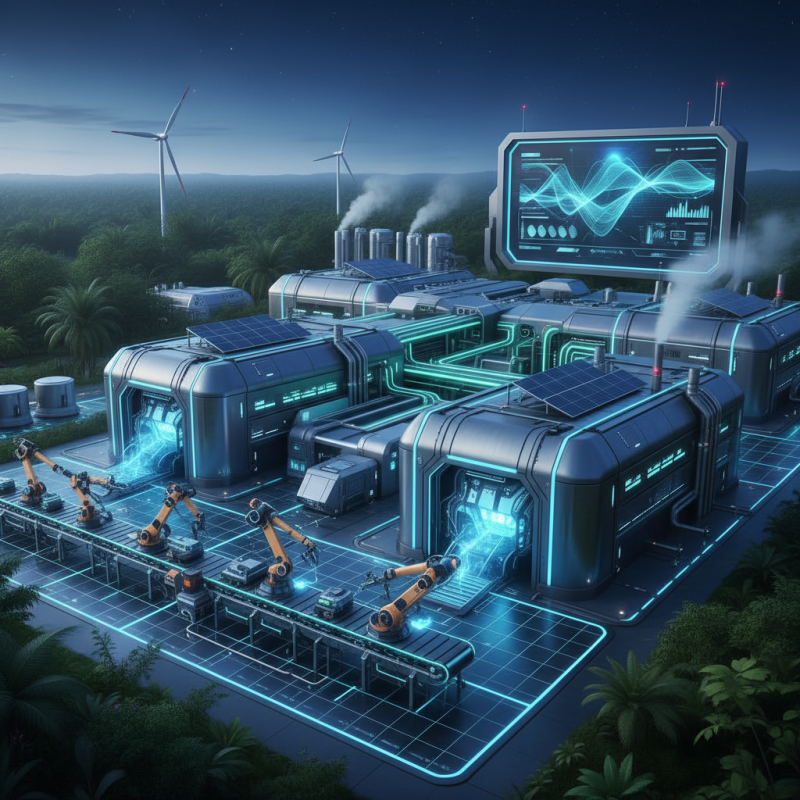
Energy consumption in industrial systems is a critical concern, given the significant impact on both costs and the environment. According to the International Energy Agency (IEA), manufacturing industries account for approximately 37% of global energy use. The need for effective strategies to minimize this consumption is urgent.
Implementing energy-efficient technologies can lead to substantial savings. For example, upgrading to high-efficiency motors can reduce energy usage by up to 30%. Moreover, industrial systems often face challenges such as outdated equipment, which can lead to wasted energy. Regular maintenance and timely upgrades are essential but are frequently overlooked. These oversight areas can allow for substantial energy loss.
Tips: Conduct regular energy audits. These audits help identify key areas for improvement. Also, invest in staff training. Employees who understand energy efficiency can make better decisions daily. Establishing a culture of energy awareness can lead to not only reduced costs but also environmental benefits. Embrace ongoing learning and adapt practices as technologies evolve.
| Method | Description | Estimated Energy Savings (%) | Implementation Cost ($) |
|---|---|---|---|
| Equipment Upgrades | Replacing old machinery with energy-efficient models. | 15-40% | 20,000 - 100,000 |
| Automation Systems | Implementing automated controls to optimize energy use. | 10-30% | 15,000 - 75,000 |
| Thermal Insulation | Enhancing insulation to reduce heating and cooling needs. | 5-20% | 5,000 - 50,000 |
| Variable Frequency Drives (VFDs) | Controlling motor speeds to match operational demands. | 15-50% | 10,000 - 80,000 |
| Energy Recovery Systems | Capturing waste energy for reuse in processes. | 20-60% | 25,000 - 200,000 |
: Energy consumption impacts costs and the environment. It accounts for around 37% of global energy use.
They can significantly reduce energy usage. Upgrading motors can save up to 30% in energy costs.
Outdated equipment is a major problem, resulting in wasted energy. Regular maintenance is often neglected.
Energy audits identify areas needing improvement. They provide insights for better energy-saving strategies.
Proper training helps employees make better decisions. Engaged staff can significantly reduce energy waste.
Many industries lack education and awareness. There's resistance to change from existing practices.
Neglected maintenance can cause substantial energy loss. Regular checks are essential to prevent this.
Real-time monitoring can highlight inefficiencies. This leads to reduced operational costs and more savings.
Engaged employees can implement energy-saving measures. However, inadequate training can hinder their efforts.
Turning off unused equipment is an easy measure. Yet, many neglect this simple practice.
The article "2026 Best Methods to Reduce Energy Consumption in Industrial Systems" explores the pressing issue of energy usage in industrial environments, highlighting the primary factors contributing to energy inefficiency. A comprehensive overview identifies innovative technologies and best practices that can significantly enhance energy management for industrial operations.
Central to the discussion is the need to reduce energy consumption of wear-resistant industrial systems, which often face unique challenges. By implementing targeted strategies and leveraging advancements in technology, industries can optimize their energy use, streamline processes, and achieve substantial energy savings. Case studies demonstrate the effectiveness of these approaches, showcasing successful energy reduction strategies that can serve as models for future industrial practices.

 Xingli Industrial Ceramics