In today's industrial landscape, enhancing chemical resistance of steel components is crucial. Steel is widely used in various sectors due to its strength. However, exposure to harsh chemicals can significantly reduce its lifespan. According to a report by the International Journal of Materials Science, corrosion caused by chemical exposure accounts for over $50 billion in annual losses for industries worldwide.
Dr. Samantha Lee, a leading expert in materials science, emphasizes the importance of this issue. She states, "To enhance chemical resistance of industrial steel components, innovative surface treatments are essential." This highlights that advancements in technology are vital for improving durability.
Implementing effective strategies can mitigate damage. Techniques such as applying specialized coatings or using alloy compositions are gaining traction. However, not all methods deliver consistent results. Companies must carefully evaluate their choices and consider the potential trade-offs involved in each approach. Ensuring the long-term performance of steel components is a complex challenge that requires ongoing research and investment.
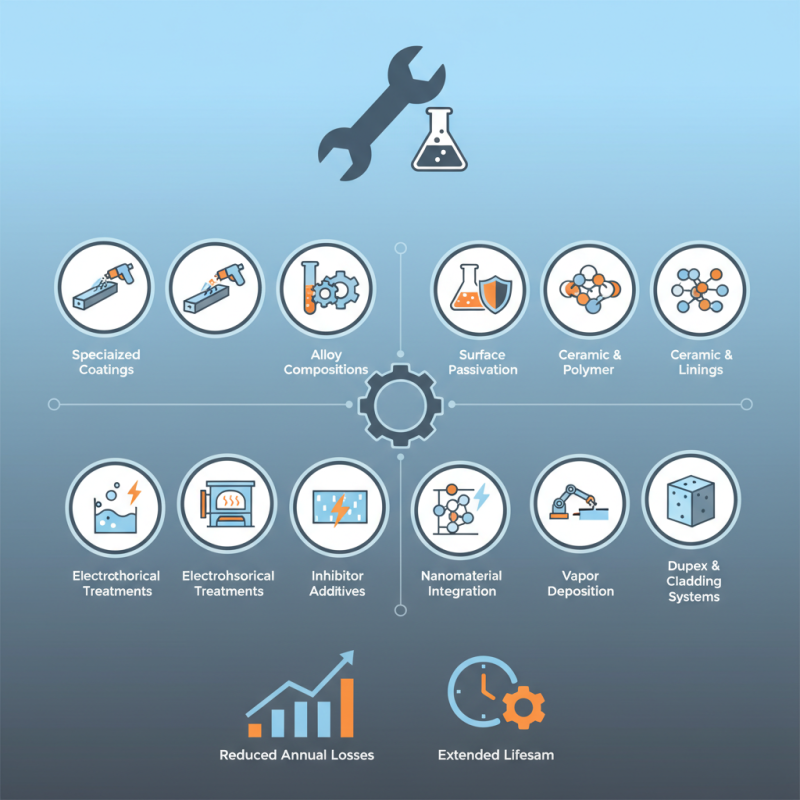
When considering the chemical resistance of steel components, the choice of alloy is crucial. Different steel alloys have varying properties that impact their performance in chemical environments. For example, stainless steels with higher chromium content exhibit better corrosion resistance. This makes them ideal for applications exposed to harsh chemicals.
Another option is the use of alloyed steels, which incorporate elements like nickel or molybdenum. These additions enhance resistance to specific chemicals. However, not every application requires high alloy content. Balancing cost and performance is essential. Sometimes, a lower-grade steel treated with a protective coating achieves the desired results without the added expense.
It’s important to understand potential trade-offs. Higher alloy content can improve resistance but may also lead to brittleness in certain conditions. Regular assessments are necessary to evaluate the material’s performance over time. Making informed decisions on material selection can significantly impact the longevity and reliability of steel components in chemical environments.
Enhancing the chemical resistance of steel components is crucial in various industries.
Surface treatments and coatings play a significant role in achieving this goal. According to a 2022 market report by TechSci Research,
the global demand for protective coatings is expected to reach $30 billion by 2027. This growth reflects the increasing need for
durability in steel applications.
One effective method is the application of epoxy coatings. These coatings provide excellent adhesion and resistance to chemical substances.
Studies indicate that epoxy-coated steel can withstand harsh environments, increasing the life span of components significantly.
Another versatile option is the use of zinc coatings. Zinc not only offers sacrificial protection but also enhances aesthetic appeal.
However, its effectiveness can vary based on application methods and environmental conditions.
Despite these advancements, challenges remain. For instance, surface preparation is vital for optimizing these treatments.
Inadequate preparation often leads to poor adhesion, diminishing the protective benefits.
Additionally, some coatings may not be suitable for all environments. Hence, proper selection and application are critical.
The balance between durability and cost-effectiveness often leads to tough decisions for manufacturers.
Recognizing these nuances is essential for improving steel component longevity in chemical exposures.
Corrosion inhibitors play a vital role in enhancing the chemical resistance of steel components. They form a protective layer on the steel surface, preventing corrosive substances from causing damage. This is especially important in industries where steel is exposed to harsh chemicals. A well-chosen inhibitor can significantly extend the lifespan of steel parts.
Applying corrosion inhibitors can be a straightforward process, but it requires careful monitoring. Regular inspections are essential to ensure the inhibitor is performing well. Environmental conditions can affect its effectiveness, especially in fluctuating temperatures or humidity levels. Additionally, selecting the right type of inhibitor based on the specific chemicals involved is crucial. Misjudgments can lead to premature corrosion despite the use of inhibitors.
User training also plays an important role. Workers must understand how to apply these materials properly. Overlap in application or incorrect mixing can negate the benefits. Ultimately, while inhibitors are powerful tools, they cannot replace regular maintenance and vigilance. The balance between chemical protection and operational efficiency needs constant reevaluation.
| Method | Description | Effectiveness | Longevity |
|---|---|---|---|
| Corrosion Inhibitors | Chemicals that slow down corrosion processes. | High | Short to Medium Term |
| Protective Coatings | Layer of material that prevents exposure to chemicals. | Very High | Long Term |
| Passivation Treatments | Chemical treatment to form a protective oxide layer. | Moderate | Long Term |
| Alloying Elements | Adding elements like nickel or chromium to enhance resistance. | High | Permanent |
| Environmental Control | Managing humidity and exposure to corrosive elements. | Moderate | Variable |
| Electrochemical Protection | Using galvanic or impressed current systems to prevent corrosion. | Very High | Long Term |
| Regular Maintenance | Routine checks and repairs to ensure integrity. | High | Ongoing |
| Cathodic Protection | Using an electrochemical method to protect steel surfaces. | Very High | Long Term |
| Use of Stainless Steels | Selecting stainless steel for its inherent resistance to corrosion. | High | Permanent |
| Surface Treatments | Techniques like shot peening or polishing to enhance surface properties. | Moderate | Variable |
When designing steel structures, it’s crucial to account for chemical resistance. Corrosion can compromise integrity and lead to costly repairs. The choice of steel grade significantly impacts the longevity of the component. High-performance alloys often resist harsh chemicals better than standard options. Regular inspections and timely maintenance can also help mitigate damage from chemical agents.
Surface treatments are vital for protecting steel components. Coatings and galvanization can provide a barrier against corrosive materials. However, design flaws might make some surfaces more vulnerable than intended. It’s essential to evaluate these areas carefully. Proper drainage systems can minimize standing chemicals, reducing risks. Simple design changes can yield significant improvements.
In some cases, the material may still fail under extreme conditions. It’s important to acknowledge limitations and reevaluate design choices regularly. Using a modular approach may allow for easier replacements or upgrades. Incorporating redundancy into critical areas can also enhance longevity. Structures must evolve with their environment to maintain safety and effectiveness.
Routine maintenance and inspection are crucial for prolonging the life of steel components. Steel is susceptible to corrosion, especially in harsh environments. Regular checks can identify early signs of wear and damage. Inspecting surfaces for rust or pitting can prevent larger failures down the line. A simple visual inspection can reveal a lot. Look for discoloration or peeling coatings.
Cleaning steel components is as important as inspection. Dust and debris attract moisture, accelerating corrosion. Using the right cleaning agents can help maintain the integrity of the steel. Sometimes, even routine cleaning can become a tedious task. It’s easy to overlook small areas; however, a single oversight can lead to significant issues.
Implementing a regular maintenance schedule is another effective strategy. This can include lubrication of moving parts and repainting exposed areas. Setting reminders can ensure that these tasks are not forgotten. Still, many people find consistency challenging. Staying committed to maintenance requires discipline and awareness. Input from experienced personnel can help refine these practices, ensuring steel components remain reliable and effective over time.
: Corrosion inhibitors form a protective layer on steel surfaces, preventing damage from harsh chemicals.
Regular inspections ensure the inhibitor is effective, especially under changing environmental conditions.
Fluctuating temperatures or humidity levels can diminish how well the inhibitor works on steel.
A misjudgment can lead to premature corrosion, even with inhibitors in place.
Proper application is crucial; incorrect mixing or overlap can reduce the effectiveness of inhibitors.
Choosing high-performance alloys and implementing proper drainage systems can enhance chemical resistance.
Coatings and galvanization create a barrier against corrosive materials, but flaws may expose vulnerabilities.
Regular cleaning and inspections for rust, along with a maintenance schedule for moving parts, are vital.
Consistency in maintenance requires discipline, and small areas can be easily forgotten during inspections.
Flaws can make surfaces more vulnerable, potentially compromising integrity and leading to costly repairs.
To enhance chemical resistance of industrial steel components, it is essential to start by selecting appropriate steel alloys specifically designed for improved resilience against harsh chemical environments. The application of various surface treatments and protective coatings can significantly fortify the durability of these components, ensuring they withstand exposure to aggressive substances.
Moreover, incorporating corrosion inhibitors plays a crucial role in defending steel from chemical attacks, further extending its lifespan. Thoughtful design considerations that minimize points of chemical exposure can contribute to the overall integrity of steel structures. Lastly, implementing routine maintenance and inspection practices can help identify potential weaknesses early on, reinforcing the longevity and performance of steel components in industrial applications.

Xingli Industrial Ceramics