Improving wear resistance of industrial steel components is crucial for enhancing the longevity of machinery. Dr. Michael Thompson, a renowned expert in materials science, emphasized, "Optimal wear resistance can significantly reduce operational costs." His insights reflect the industry’s growing demand for durable materials.
Many factors dictate the wear resistance of steel. Heat treatment, for instance, alters its microstructure, leading to superior performance. However, not all methods guarantee improved results. Engineers must evaluate their specific applications carefully. Choosing the right improvements can be complicated but necessary.
The quest to improve wear resistance is not without challenges. Manufacturers often face trade-offs between toughness and wear resistance. Each choice has repercussions on component lifespan and functionality. Thus, continuous innovation and expert collaboration are paramount in this field. Developing effective strategies is essential for aligning performance with industry needs.
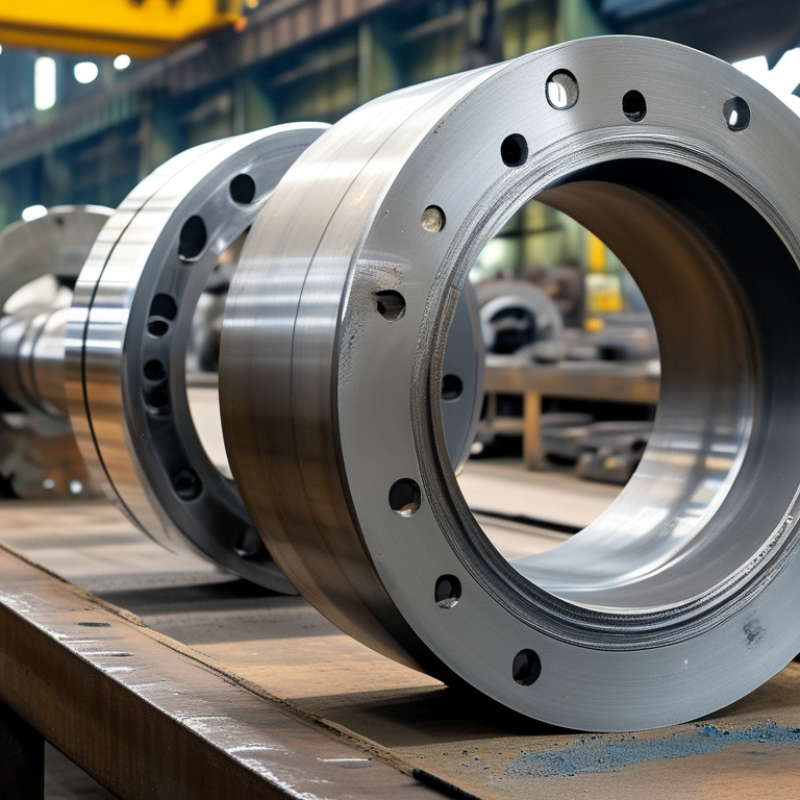
Wear resistance in industrial steel components is a critical factor for performance and longevity. This property determines how well materials can withstand wear from friction, impact, and abrasion. Understanding the mechanisms behind wear resistance is vital for selecting and designing components that will endure harsh environments.
Factors affecting wear resistance include material composition, microstructure, and surface treatments. For instance, high carbon content can enhance hardness but may also make the steel brittle. Additionally, refining the microstructure through heat treatment can significantly improve toughness and resilience. Surface treatments like hard coatings can further enhance performance, but they can also introduce inconsistencies.
While advancements in material science have improved wear resistance, challenges remain. Not all steel components respond equally to treatment, and the ideal choices must be carefully evaluated. Some processes may not yield the expected benefits in certain applications. When assessing options, it is crucial to weigh the trade-offs and consider real-world conditions. This approach ensures better performance and durability in the field.
Wear resistance in industrial steel components is crucial for enhancing operational efficiency.
Key factors influencing wear resistance include material composition, microstructure, heat treatment, and surface finish.
Research indicates that adding chromium and molybdenum can significantly improve hardness and wear properties.
According to the American Society for Metals, steels with higher hardness often exhibit better wear resistance.
Heat treatment techniques like quenching and tempering also play a vital role.
These processes can optimize the microstructure of steel, leading to a more durable product.
A study reported a 30% increase in wear resistance in quenched steel compared to untreated counterparts.
However, it’s necessary to balance hardness and toughness.
Overly hard steel can become brittle, leading to premature failure.
Tips: Regularly monitor the microstructure during production.
This ensures that desired properties are achieved. Employing surface hardening techniques like carburizing can enhance wear resistance and extend component life while possibly increasing manufacturing costs.
Improving wear resistance remains a complex challenge.
It requires careful consideration of multiple factors and ongoing evaluation of methods employed.
Some industries still struggle to find that perfect material balance, highlighting the need for innovation and rigorous testing in steel manufacturing.
Improving wear resistance of industrial steel components is crucial for longevity and performance. Several effective methods can enhance this property. One common approach is heat treatment, which can significantly harden the steel. According to a report by the Steel Founders' Society of America, proper heat treatment can improve hardness levels by up to 30%. This process alters the microstructure and can help resist abrasive wear.
Coating technologies are another option. Applying wear-resistant coatings, such as carbide or ceramic, dramatically increases the surface hardness. Studies show that components with these coatings can have a wear life extension of over 50%. However, it's essential to consider the environment where the components operate. Not all coatings perform well under every condition, and some may wear faster than expected.
Tip: Regularly assess the wear patterns on your components. This can help identify areas needing improvement.
Another method involves alloying elements like chromium and molybdenum. These additives can create a stronger bond within the steel matrix, enhancing wear resistance. However, manufacturers must balance cost and performance. Some alloying methods may lead to increased brittleness, which is undesirable.
Tip: Consult material specialists to choose the right alloy for your application.
Enhancing wear resistance is a multifaceted challenge. Each solution has its pros and cons, making careful analysis essential for optimal performance.
| Method | Description | Benefits | Applications |
|---|---|---|---|
| Hardening | A heat treatment process that increases hardness. | Improved hardness and wear resistance. | Cutting tools, gears, bearings. |
| Coating | Applying a protective layer, such as ceramics or polymers. | Reduced friction and corrosion resistance. | Pumps, valves, and transmission components. |
| Surface Hardening | Processes like nitriding and carburizing that harden the surface. | Increase surface hardness while maintaining core ductility. | Automotive components, industrial machinery. |
| Alloying | Adding elements like chromium and molybdenum to steel. | Improved hardness and toughness. | Construction and mining equipment. |
| Shot Peening | A process that bombards the surface with small spherical media. | Enhances fatigue strength and wear resistance. | Springs, gears, and crankshafts. |
Surface treatments and coatings play a critical role in enhancing the wear resistance of industrial steel components. There are several methods available to achieve this, ranging from hardening processes to applying protective coatings. Each method offers unique benefits and potential drawbacks, which need careful consideration.
One popular technique is hardening through heat treatment or induction. This process increases the hardness of the steel, which can significantly improve wear resistance. However, it may also create brittleness, making components more susceptible to fractures. Balancing hardness and toughness is essential for optimal performance.
Another effective approach is the application of surface coatings. These can include methods like thermal spraying or electroplating. Coatings can provide a protective barrier to environmental factors, reducing the impact of wear and tear. Yet, the adhesion of these coatings can sometimes be unpredictable. Inconsistent application might lead to early failure. Continuous assessment during the application process can help mitigate such risks.
When evaluating wear resistance in industrial steel components, testing methods play a crucial role. Detailed assessments provide insights into the material performance under various conditions. Techniques like pin-on-disc tests and dry sliding abrasion tests reveal how well steel can withstand friction and wear. These tests simulate real-world conditions, offering accurate predictions of performance.
The results from these evaluations guide engineers in selecting the right materials for specific applications. Different steel alloys may respond uniquely to wear tests. Some may exhibit excellent resistance, while others fall short. This variability prompts a thorough analysis of environmental factors and operational stresses that components will face in service.
Moreover, ongoing testing can uncover unexpected weaknesses in a material. For instance, certain heat treatments may improve hardness but reduce toughness. Engineers must reflect on these outcomes to enhance their designs continually. Balancing wear resistance with other mechanical properties remains a challenge in materials science. Each test provides an opportunity for learning and improvement.
: Wear resistance determines how well steel withstands friction, impact, and abrasion. It affects performance and longevity.
Material composition, microstructure, and surface treatments all play important roles in wear resistance.
High carbon content can enhance hardness, but it may also cause brittleness. This can lead to potential fractures.
Surface treatments and coatings enhance wear resistance. They provide protection against environmental factors and wear.
Heat treatment increases hardness but can also create brittleness. Balancing these traits is crucial for performance.
Yes, surface coatings may have inconsistent adhesion. This unpredictability can lead to early failure of components.
Continuous assessment during the application process can help identify issues early on and minimize risks.
Not all steel components respond equally to the same treatment. Evaluations must consider specific application needs.
Evaluating trade-offs ensures that real-world conditions are met. This approach enhances the performance and durability of components.
While increasing wear resistance, some methods may compromise toughness. This complicates the overall performance balance.
Improving the wear resistance of industrial steel components is crucial for enhancing performance and longevity in various applications. Understanding the fundamental aspects of wear resistance, such as the mechanisms of wear and the materials involved, is essential. The key factors affecting wear resistance during steel manufacturing include the alloy composition, microstructure, and the processing techniques used.
To improve wear resistance of industrial steel components, several methods are available, including the application of surface treatments and coatings that enhance durability. These treatments can significantly reduce friction and wear, thus prolonging the lifespan of steel parts. Furthermore, evaluating the performance through various testing methods ensures that the enhancements achieved are measurable and effective, leading to improved operational efficiency in industrial settings.

Xingli Industrial Ceramics