Optimize Performance of Steel Ceramic Composite Materials Effectively?

Time:2026-05-22 Author:Oliver
0%

The quest to optimize performance of steel-ceramic composite materials has garnered significant attention in various industrial sectors. Steel-ceramic composites combine the strength of steel with the hardness and wear resistance of ceramics. According to a report by the Materials Research Society, the demand for such composites has increased by 25% over the past five years, indicating their growing importance in applications like automotive and aerospace.

Industries are seeking innovative ways to enhance the mechanical and thermal properties of these composites. Optimizing the performance of steel-ceramic composite materials can lead to improved durability and reduced maintenance costs. However, the process poses challenges, including balancing the material properties and production methods. Recent advancements have shown promising results, but questions remain on scalability and long-term performance metrics.

Research from the National Institute of Standards and Technology emphasizes the need for standardized testing protocols to ensure consistency. Despite advancements, achieving the ideal composition and microstructure is complex. The journey to optimize performance of steel-ceramic composite materials is ongoing, and requires collaboration across fields for tangible solutions.
Optimize Performance of Steel Ceramic Composite Materials Effectively?

Understanding the Basics of Steel Ceramic Composite Materials

Steel ceramic composite materials are gaining attention for their unique properties. They combine the strength of steel with the wear resistance of ceramics. According to a recent report by the Material Research Society, these composites can improve service life by up to 50% in harsh environments.

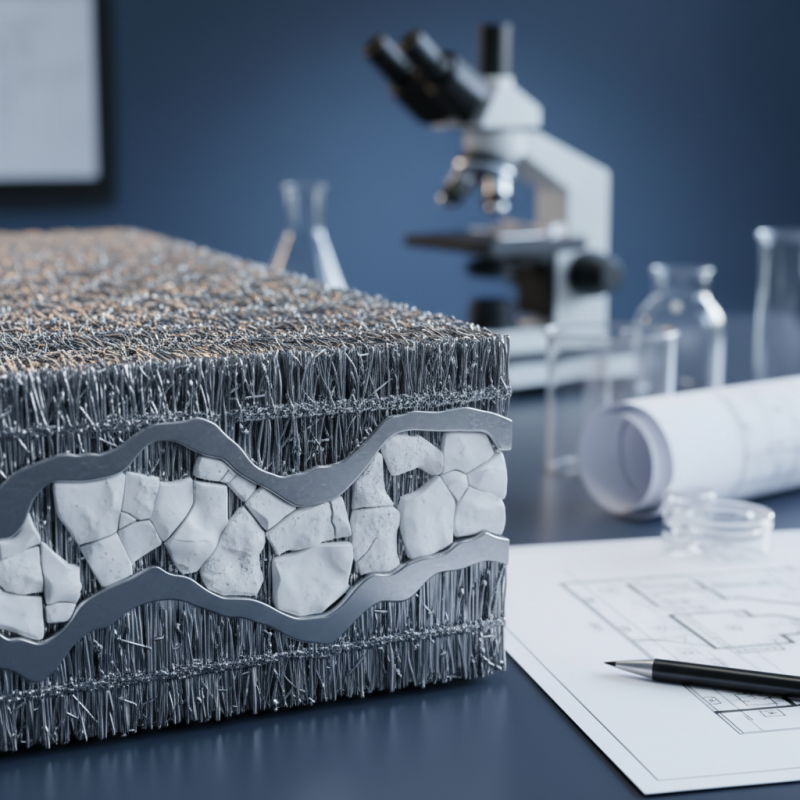
The microstructure of steel ceramic composites plays a critical role in performance. The distribution of ceramic particles within the metal matrix affects hardness and ductility. However, achieving the perfect balance is challenging. Some formulations can lead to brittleness, reducing toughness. Research indicated that optimizing the particle size enhances interfacial bonding, which is crucial for durability.

Another aspect worth noting is the manufacturing process. Techniques like sintering and powder metallurgy show promise, but they require precise control. Variations in temperature and pressure can impact the final product's performance. Thus, establishing consistent manufacturing practices is vital. Addressing these issues is essential for advancing the use of steel ceramic composites in industries like automotive and aerospace.

Key Factors Influencing the Performance of Composite Materials

The performance of steel ceramic composite materials relies heavily on several key factors. One noteworthy aspect is the bonding between the steel and ceramic components. Effective bonding ensures that the materials work cohesively under stress. Insufficient bonding can lead to premature failure or delamination, which is a critical concern for industries using these composites.

Another vital influence is the distribution of the ceramic phase within the steel matrix. Uneven distribution can create weak points that significantly compromise the material's overall strength. Engineers often grapple with achieving the ideal ratio of ceramic to steel. Achieving uniformity is challenging, but essential for enhancing mechanical properties.

Lastly, the processing techniques used to fabricate these composites play a critical role. Methods such as sintering or hot pressing can affect the microstructure and performance. Some techniques may produce defects that are difficult to predict. As such, ongoing research is essential to refine these processes. The goal is to find a balance between performance, cost, and manufacturability, which often requires innovative approaches and continuous evaluation.

Techniques for Enhancing Mechanical Properties of Steel Ceramics

Steel ceramic composite materials offer unique advantages in mechanical properties. Recent studies indicate that these materials can exhibit increased hardness, improved wear resistance, and enhanced thermal stability, making them essential in various applications. A report from the Materials Science and Engineering Journal highlights that the incorporation of ceramic particles can lead to a significant increase in compressive strength—up to 30% in some formulations.

To enhance the mechanical properties of steel ceramics, several techniques are proving effective. One such method is cryogenic treatment, which has shown potential in increasing the durability of these composites. During this process, materials are cooled to extremely low temperatures, promoting structural changes that can reduce residual stresses. Additionally, using advanced sintering techniques can enhance the bonding strength between the steel and ceramic phases. This results in a smoother microstructure and better load distribution, as demonstrated in multiple industry case studies.

However, there are challenges in optimizing these materials. The balance between toughness and hardness often leads to trade-offs. Increasing ceramic content might improve wear resistance but can make the composite more brittle. Continuous research is necessary to address these issues, ensuring that the final products meet the demanding criteria of various industrial applications.

Applications of Optimized Steel Ceramic Composites in Industry

Steel ceramic composites are gaining traction in various industries due to their impressive properties. These materials combine the toughness of steel with the hardness of ceramics. This unique blend improves wear resistance and reduces weight in applications across manufacturing and automotive sectors.

In the aerospace industry, optimized steel ceramic composites offer significant advantages. They can withstand high temperatures and extreme pressure. These characteristics make them ideal for parts like turbine blades and engine components. However, challenges remain in achieving uniform distribution of materials. Manufacturers must focus on refining fabrication techniques to address these issues.

Furthermore, the construction industry is exploring these composites for structural applications. Their strength can enhance safety and durability in infrastructure projects. Yet, the high costs associated with production pose a significant barrier. Researchers are actively investigating cost-effective methods to produce these composites on a larger scale. Balancing performance and affordability remains a key challenge for wider adoption.

Future Trends in the Development of Steel Ceramic Composites

The development of steel ceramic composites is on an exciting trajectory. These materials combine the toughness of steel with the hardness of ceramics. Researchers are exploring new fabrication techniques to enhance the performance of these composites. Innovations include improved sintering methods and surface treatments. These methods can lead to composites that resist wear and corrosion more effectively.

Future trends may see an increased focus on sustainability. The recycling of materials plays a critical role in this field. Scientists are investigating ways to produce composites from recycled sources. This approach could reduce environmental impacts while maintaining material integrity. However, challenges remain in achieving the ideal ratio between steel and ceramic components.

The performance optimization of steel ceramic composites is a complex task. It requires a balance between strength and brittleness. Current research highlights the potential for hybrid composite structures. These could combine various materials for superior performance. The path ahead is not without obstacles, but the possibilities are promising. Solutions must consider cost-effectiveness and manufacturability, ensuring that innovation translates into real-world applications.

FAQS

: What are steel ceramic composite materials?

: They combine the strength of steel with the wear resistance of ceramics.

How do these composites improve service life?

They can enhance service life by up to 50% in harsh environments.

What factors affect the performance of steel ceramic composites?

Key factors include bonding, ceramic distribution, and processing techniques.

Why is bonding critical for these composites?

Effective bonding ensures cohesive performance under stress and prevents failure.

What happens with uneven ceramic distribution?

It creates weak points that compromise the overall strength of the material.

Why is the manufacturing process important?

Techniques like sintering need precise control to avoid defects affecting performance.

What future trends are emerging in composite development?

Research is focusing on new fabrication techniques and sustainability efforts.

How might recycling impact steel ceramic composites?

It could reduce environmental impacts while maintaining material integrity.

What challenges are faced in performance optimization?

Balancing strength and brittleness is complex and requires ongoing research.

What are hybrid composite structures?

They combine different materials for potentially superior performance but come with challenges.

Conclusion

The article titled "Optimize Performance of Steel Ceramic Composite Materials Effectively?" provides a comprehensive overview of the fundamentals and advancements in steel-ceramic composite materials. It begins by explaining the basic properties of these composites and identifies key factors that significantly influence their performance, such as material selection, manufacturing processes, and microstructural characteristics.

To enhance the mechanical properties of steel-ceramic composites, various techniques are discussed, including material optimization and innovative processing methods. The article also highlights the diverse applications of optimized steel-ceramic composites across different industries and explores future trends in their development, emphasizing the potential for improved durability and efficiency. Ultimately, the focus is on strategies to effectively optimize performance of steel-ceramic composite materials, ensuring they meet growing industrial demands.

Oliver

Oliver

Oliver is a seasoned marketing professional with a wealth of expertise in driving brand awareness and engagement. With a deep understanding of our company's product offerings, he consistently delivers high-quality content that enriches our professional blog. His insights not only shed light on......