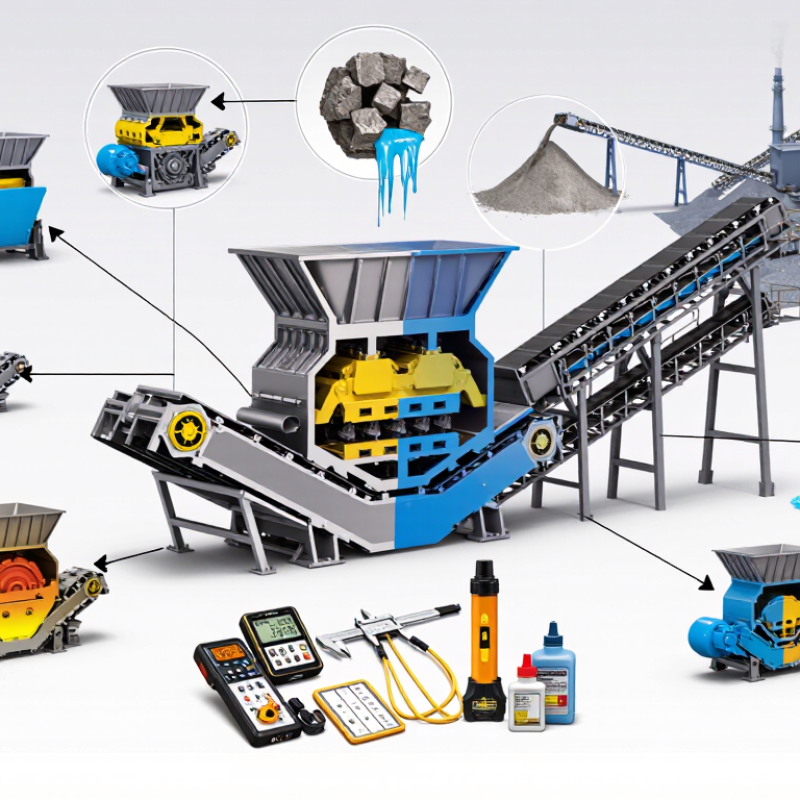
Top Ways to Improve Industrial Wear Resistant Components

Time:2026-10-12 Author:Aria
0%

Industrial wear-resistant components protect crushers, chutes, conveyor systems, slurry pumps, and cement equipment from constant material loss. Their value is practical: fewer shutdowns, safer maintenance, and more predictable production. Yet abrasive dust, impact loading, moisture, and temperature can attack the same component differently. A liner that survives dry iron ore may fail quickly in wet coal service.

Industry data shows why this subject deserves careful engineering. NACE International’s IMPACT study estimated that corrosion costs about US$2.5 trillion annually, equal to roughly 3.4% of global GDP. Corrosion is not identical to mechanical wear, but both expose the cost of weak asset protection. The U.S. Geological Survey’s Mineral Commodity Summaries 2025 also reflects the continuing scale of mineral extraction, where abrasive handling remains unavoidable. These reports support a clear operational concern: component durability affects wider productivity.

This guide examines practical ways to Enhance reliability of industrial wear-resistant components. It considers material selection, hardness, toughness, surface treatment, joint design, lubrication, and condition monitoring. ASTM G65 testing can compare dry sand abrasion resistance, while field inspections reveal impact and fatigue that laboratory tests may miss. Maintenance teams should record liner thickness, particle size, operating speed, and failure location. Small details matter.

There is no universal wear-resistant material. That assumption deserves challenge. A harder alloy may resist scratching but crack under heavy impact. Ceramic inserts may perform well, yet installation errors can create hidden stress points. Reliable decisions require test evidence, supplier documentation, service history, and honest review of failures. Performance is measured in the plant, not only in the brochure.

Top Ways to Improve Industrial Wear Resistant Components

Types of Industrial Wear-Resistant Components

Types of Industrial Wear-Resistant Components

Industrial wear-resistant components reduce damage where materials slide, strike, or fall. Wear plates are common in hoppers, dump bodies, and transfer chutes. They shield structural steel from repeated abrasion and impact. Thickness, hardness, and weldability should match the working environment.

Liners protect the inside walls of bins, mills, and conveyor sections. Ceramic liners handle severe sliding abrasion with relatively low friction. Rubber liners can absorb impact from large rocks or metal parts. Polyurethane liners suit screening areas, where flexibility and noise control matter. Fit matters. Small gaps may trap material and accelerate local wear.

Wear-resistant pipes and elbows guide abrasive slurry, powder, or aggregate through processing systems. Their performance depends on flow speed, particle shape, temperature, and moisture. Crusher liners and impact bars face concentrated force, so their design must balance toughness with surface hardness. Screens, scraper blades, and conveyor pulley coverings also need material-specific protection. Not every job is abrasive. Corrosion, heat, and sudden impact can change the correct choice. In practical inspections, uneven wear often reveals poor alignment or an unsuitable grade, rather than simple material failure. I have found that replacement records are useful, but they can mislead when operating conditions were never measured. A careful review of feed size, loading patterns, and maintenance intervals gives engineers stronger evidence for improvement.

Top Ways to Improve Industrial Wear Resistant Components - Types of Industrial Wear-Resistant Components

Component Type Typical Base Materials Primary Wear Mechanism Recommended Improvement Method Typical Hardness Range Common Industrial Applications Key Design Consideration
Crusher Jaw Plates High-manganese austenitic steel Abrasion, impact and work hardening Use an optimized tooth profile, adequate plate thickness and correct material matching for the feed size. 180–220 HB initially; higher after work hardening Primary and secondary crushing of rock and ore Balance impact toughness with abrasion resistance; avoid operating with an undersized or uneven feed.
Crusher Mantles and Concave Liners High-manganese steel or alloyed martensitic steel High-stress sliding abrasion and impact Improve liner geometry, maintain a consistent crushing chamber and select alloy hardness according to feed abrasiveness. 200–600 HB, depending on alloy and condition Gyratory and cone crushing Maintain correct liner seating and replace liners before excessive profile loss affects throughput.
Wear Plates Quenched-and-tempered alloy steel; chromium-carbide overlay steel Sliding abrasion and gouging abrasion Apply abrasion-resistant plate in high-wear zones, use smooth transitions and minimize material impact height. 400–650 HB for quenched steel; overlay hardness often about 600–750 HV Hoppers, chutes, truck beds and conveyor transfer points Support plates correctly and control welding heat to limit distortion and loss of hardness.
Conveyor Idlers and Rollers Carbon steel, alloy steel or engineered polymer Surface abrasion, impact and bearing fatigue Use sealed bearings, improve shaft alignment, select suitable shell thickness and protect against contamination. Approx. 180–350 HB for steel shells Bulk-material handling and mining conveyors Correct belt tracking and pulley alignment are essential for even loading and longer service life.
Bucket Teeth and Adapters Cast alloy steel or forged alloy steel Impact, gouging abrasion and bending Use replaceable tooth profiles, heat-treated alloy steel and a secure locking system. 40–55 HRC for many hardened alloy-steel designs Excavators, loaders and dredging equipment Choose tooth geometry according to soil or rock conditions; inspect locking components regularly.
Slurry Pump Liners and Impellers High-chrome white iron, rubber or polyurethane Solid-particle erosion and corrosive wear Match liner material to particle size, slurry chemistry and velocity; improve hydraulic flow paths to reduce turbulence. About 550–750 HB for high-chrome white iron Mineral processing, tailings and abrasive slurry transport Control slurry concentration and avoid operating far from the pump’s best-efficiency point.
Ceramic Wear Liners Alumina, silicon carbide or zirconia-based ceramics Fine-particle sliding and erosion Use appropriate ceramic grade, flexible backing and mechanical retention in impact-prone areas. Typically 1,200–2,000 HV, depending on ceramic type Chutes, cyclones, elbows and pneumatic conveying systems Ceramics provide excellent hardness but require protection from severe point impact and tensile shock.
Tungsten-Carbide-Coated Parts Steel substrate with tungsten-carbide-based coating Severe abrasion, erosion and localized sliding wear Apply a controlled coating thickness, prepare the substrate correctly and use a compatible thermal-spray process. Often about 900–1,500 HV, depending on coating system Seals, sleeves, drilling components and high-wear tooling Control coating porosity, bond strength and surface finish to prevent premature delamination.
Industrial Gears and Sprockets Case-carburized alloy steel or through-hardened steel Contact fatigue, adhesive wear and abrasive contamination Use case hardening, shot peening, accurate machining, proper lubrication and effective sealing. About 58–64 HRC at the carburized surface Conveyors, crushers, mixers and heavy-duty drives Correct tooth alignment, backlash and lubricant cleanliness are critical to service life.
Bushings and Wear Sleeves Bronze, hardened steel, sintered metal or engineered polymer Frictional sliding, misalignment and contamination Select a self-lubricating or hardened material, improve surface finish and provide adequate lubrication paths. Material-dependent; commonly 150–600 HB for metallic designs Hydraulic equipment, excavators and articulated joints Maintain correct clearance and prevent dirt ingress; excessive clearance accelerates impact loading.
Mixing and Screw Conveyor Flights Carbon steel with hardfacing, alloy steel or stainless steel Sliding abrasion, impact and corrosion-assisted wear Use hardfacing in the flight perimeter, optimize flight clearance and choose corrosion-resistant material where required. Hardfaced zones commonly about 50–65 HRC Cement, fertilizer, food processing and chemical handling Prevent excessive clearance and avoid weld profiles that create turbulence or material build-up.

Key Factors That Cause Industrial Component Wear

Industrial wear-resistant components rarely fail from one cause. In field inspections, I often find abrasive dust packed into seals, gaps, and joint surfaces. Quartz-rich particles can cut grooves into liners and bushings during repeated movement. Larger debris creates impact damage, especially when chutes or feeders receive uneven loads. The wear pattern tells a story. Long scratches suggest sliding abrasion; deep dents suggest impact.

Heat changes that story. Excessive temperature can soften polymers, reduce lubricant viscosity, and accelerate surface oxidation. Moisture and chemicals may trigger corrosion beneath deposits, where operators cannot see it. Misalignment adds side loading to shafts, rollers, and wear plates. Loose fasteners create vibration, while over-tightened parts can develop stress cracks. Small errors multiply.

A practical improvement starts with measuring operating conditions, not guessing them. Record temperature, particle size, load cycles, speed, and moisture near the component. Select hardness and toughness together; a very hard part may fracture under shock. Check lubrication routes and remove contamination before it becomes abrasive paste. I have seen teams replace a worn liner without correcting alignment, then repeat the failure within weeks. That is frustrating, but useful. Photograph and measure the failed surface against installation records. Inspection intervals may need adjustment, because another machine’s schedule is not evidence.

Material Selection for Improved Wear Resistance

Industrial Wear Resistant Components: Material Selection for Improved Wear Resistance

Material choice determines how long a component survives abrasive contact, impact, or sliding friction. In field inspections, I compare the wear pattern before recommending any alloy. Fine scratches often indicate abrasion. Deep dents may point to impact. These symptoms require different solutions.

Hardened steel can perform well against mineral particles and repeated sliding. However, excessive hardness may reduce toughness and cause cracking under sudden impact. Chromium-rich alloys resist abrasion, while martensitic structures offer a practical balance of hardness and strength. Ceramic materials can withstand severe abrasion, but they may fail suddenly when misalignment creates local stress. Polymer-based materials reduce noise and protect softer mating surfaces. Their performance can drop at high temperatures. Testing matters more than a datasheet promise.

Tips: Match the material to the actual wear mechanism, not just the operating load. Record temperature, particle size, contact pressure, and impact frequency. Request a sample test when production downtime is costly. Check the counterface too; a durable part can accelerate wear elsewhere. I have seen selections fail because moisture was ignored. That detail looked minor. It was not.

Design and Manufacturing Methods for Longer Service Life

Top Ways to Improve Industrial Wear Resistant Components

Design and Manufacturing Methods for Longer Service Life

A longer-lived wear component starts with a realistic duty profile. Map load, particle size, impact angle, temperature, and moisture before choosing an alloy. That sounds obvious. It is often skipped. The NACE IMPACT study estimated global corrosion costs at $2.5 trillion annually, equal to 3.4% of global GDP. It also reported that 15–35% of these costs could be reduced through better practices. Abrasion and corrosion often work together, so surface selection must reflect both conditions.

Use replaceable liners in high-contact zones. Add generous radii where material changes direction. Avoid sharp corners and sudden thickness changes. These details reduce stress concentration and make inspections easier. ASTM G65 testing can compare abrasion resistance under controlled conditions, but it cannot promise a specific field lifespan. Laboratory results need site trials, especially when wet fines or impact loads are present. We still get this wrong.

Manufacturing quality matters as much as material hardness. Control heat treatment, cooling rates, weld dilution, and final surface geometry. Excessive hardness can increase cracking under impact. Poorly blended hardfacing can create weak boundaries. Record batch chemistry and hardness readings at several points, not only one convenient location. The World Steel Association reported 1.89 billion tonnes of crude steel production in 2023, showing the scale of material use and the importance of consistent processing. A practical design should also allow quick replacement, because inaccessible parts can erase the benefit of superior wear resistance.

Typical service-life improvement ranges are shown relative to a conventional, unoptimized component. Actual performance depends on load, impact, temperature, abrasive material, operating conditions, and maintenance. Combining optimized geometry, suitable materials, surface treatments, and replaceable wear elements generally provides the longest service life.

Maintenance Strategies for Sustained Component Performance

Top Ways to Improve Industrial Wear Resistant Components

Maintenance Strategies for Sustained Component Performance

Wear resistant components perform longer when maintenance is planned around real operating conditions. Inspect liners, chutes, rollers, and cutting edges during scheduled shutdowns. Look for thinning surfaces, edge chipping, loose fasteners, and uneven contact marks. These signs often reveal alignment or loading problems before failure occurs. Record measurements, inspection dates, material type, and operating hours. Reliable records help technicians compare wear rates and adjust replacement intervals.

Tips: Clean surfaces before inspection. Check fastener torque. Measure high-wear zones. Photograph unusual damage. Replace damaged seals promptly.

In my maintenance experience, small changes can prevent expensive interruptions. A slightly misaligned chute may create concentrated impact in one corner. Correcting the angle can reduce localized wear more effectively than installing thicker material. Lubrication must also match the component and environment. Excess lubricant can attract abrasive dust. Too little can increase friction and heat. Follow documented procedures, but review them when production conditions change.

No schedule is perfect. Teams sometimes replace parts too early because inspection data is incomplete. That wastes useful service life. Delaying replacement is also risky when cracks or deep grooves appear. Use condition-based decisions supported by measurements, operator observations, and engineering review. Train inspectors to distinguish normal polishing from dangerous material loss. Keep spare components dry, labeled, and protected from impact before installation.

FAQS

What operating details should guide the selection of wear-resistant components?

Record load, particle size, impact angle, temperature, and moisture. These conditions shape wear. A dry sliding application differs from wet, high-impact service. Material selection without site data can fail.

How can component geometry reduce wear and cracking?

Use replaceable liners in high-contact zones. Add generous radii where material changes direction. Avoid sharp corners and sudden thickness changes. These details reduce stress concentration and simplify inspection.

Can laboratory abrasion testing predict field service life?

Laboratory testing helps compare materials under controlled conditions. It cannot guarantee a specific service life. Wet fines, impact loads, and alignment may change results. Site trials remain important.

Does greater hardness always improve component performance?

No. Excessive hardness can increase cracking under impact. Toughness and hardness must match the duty profile. We still overvalue hardness sometimes.

Which manufacturing controls affect wear resistance?

Control heat treatment, cooling rates, weld dilution, and final surface geometry. Check hardness at several locations. Record batch chemistry and inspection results. Poorly blended hardfacing can create weak boundaries.

What should technicians inspect during planned maintenance?

Inspect liners, chutes, rollers, and cutting edges during shutdowns. Look for thinning, chipped edges, loose fasteners, and uneven contact marks. Clean surfaces before inspection. Measure high-wear zones.

Can alignment problems cause faster local wear?

Yes. A slightly misaligned chute may concentrate impact in one corner. Correcting the angle can outperform simply adding thicker material. Small changes matter.

How should replacement timing be decided?

Use measurements, operating hours, operator observations, and engineering review. Replace parts when cracks or deep grooves appear. Avoid replacing them too early without evidence. Delaying replacement can also be risky.

How should spare components and lubrication be managed?

Keep spare components dry, labeled, and protected from impact. Match lubrication to the component and environment. Excess lubricant attracts abrasive dust. Too little increases friction and heat. Check procedures when production conditions change.

Conclusion

Industrial wear-resistant components are essential in equipment exposed to friction, impact, pressure, corrosion, and high temperatures. Common examples include liners, bearings, cutting edges, seals, gears, rollers, and conveyor parts. Their service life can be reduced by excessive loads, poor lubrication, abrasive particles, misalignment, vibration, thermal cycling, and unsuitable operating conditions. Understanding these causes helps engineers select practical solutions instead of relying only on replacement.

Material selection is a key step in improving durability, with options chosen according to hardness, toughness, corrosion resistance, temperature stability, and application-specific stress. Longer service life can also be achieved through accurate dimensions, optimized component geometry, protective surface treatments, controlled heat treatment, and quality-focused manufacturing. Regular inspection, timely lubrication, alignment checks, cleaning, and condition-based replacement further reduce unexpected failures. By combining suitable materials, reliable design, precise production, and consistent maintenance, companies can Enhance reliability of industrial wear-resistant components, improve operational efficiency, reduce downtime, and control long-term maintenance costs.

Aria

Aria

Aria is a dedicated marketing professional with a deep passion for innovative strategies and a keen understanding of our company's product offerings. With a wealth of experience in the industry, Aria excels at crafting engaging content that highlights the unique features and benefits of our......