Advanced Wear-Resistant Solutions for Volcanic Soil Environments & Industrial Infrastructure in Moroni and Beyond.
Send Inquiry NowThe Union of the Comoros, an archipelago with a burgeoning need for infrastructure modernization, presents a unique set of challenges for industrial materials. As an economy traditionally reliant on agriculture and fishing, the shift toward sustainable energy production and port infrastructure upgrades has necessitated high-performance materials. Ceramic-clad steel plates have emerged as a critical component in this transition, particularly for sectors dealing with high-abrasion environments.
In Moroni and Mutsamudu, industrial maintenance is often plagued by the corrosive effects of maritime air combined with the abrasive nature of volcanic basalt particulates common in local construction and quarrying. Traditional steel plates often fail within months. Our Ceramic-clad Steel technology, combining the structural integrity of steel with the extreme hardness of alumina (Al₂O₃), provides an Information Gain advantage by extending equipment lifespans by up to 500%.
Globally, the procurement of wear-resistant materials is moving toward "Total Lifecycle Value" rather than initial cost. Multinational enterprises operating in the Indian Ocean region are increasingly specifying ceramic-metal composites to reduce downtime. The trend is clear: Reliability is the new currency. By utilizing Zibo Xingli’s advanced industrial ceramics, projects in Comoros can match the technical standards of EU and North American industrial hubs.
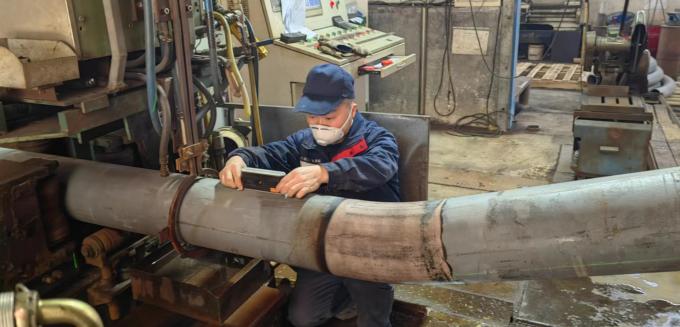
Leveraging AI-driven laser cutting and automated bonding processes to ensure 100% adhesion between ceramic tiles and steel substrates. This eliminates the risk of "tile drop" in high-vibration Comorian shipping vessels.
Strategic proximity to major Chinese ports allows for streamlined shipping to Port of Moroni. Our supply chain resilience ensures that even during global logistics fluctuations, your project timelines are preserved.
Hunan Yibeino’s ISO9001:2015 certification isn't just a badge; it represents a commitment to material science expertise that provides local Comorian engineers with confidence in every plate installed.
It is an enterprise specializing in the production of industrial alumina ceramic, zirconia ceramic, and carbon-silicon products, focusing on providing wear-resistant ceramic ball grinding media, alumina lining, ceramic liner, ceramic pipe, inert alumina ball for catalyst support.
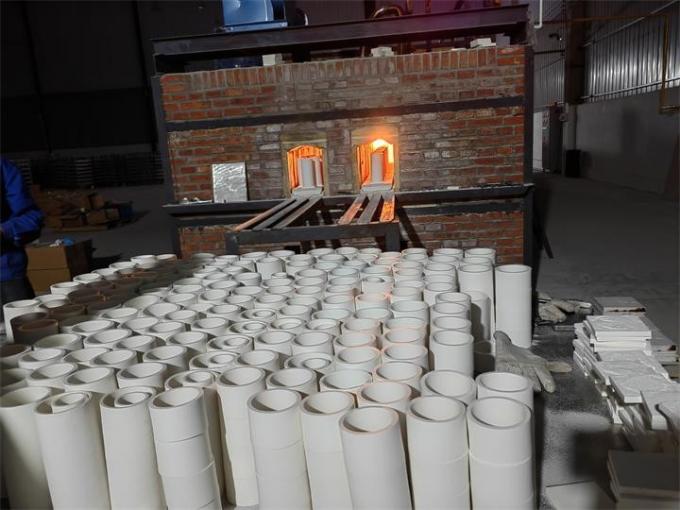
Our products have passed the ISO9001:2015 quality system certification. From raw material purchase to factory inspection, we ensure stable product performance. We have users all over the world, exporting to the United States, Germany, India, Turkey, and now expanding heavily into the Comoros industrial sector.
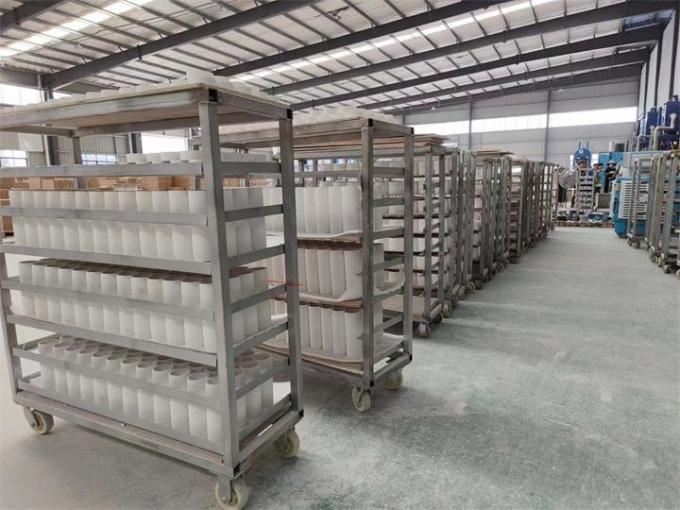
Chutes and hoppers lined with ceramic-clad plates to resist the abrasion of imported cement and local basalt sand.
Pulverized coal pipelines and ash handling systems requiring high-temperature wear resistance.
Deck plating and engine room components for Comorian fishing fleets requiring corrosion and impact resistance.
Pre-sales: Our business managers provide on-site surveys in Comoros or remote consultation to design the perfect anti-wear solution based on your specific equipment conditions.
On-sale: Custom design drawings and manufacturing synchronization. Every plate is tailor-made for your geometry.
After-sales: 24/7 technical support. We guarantee response within 48 hours for global clients to ensure your operations never stop.
Q1: How do ceramic-clad steel plates perform in Comoros' maritime environment?
A: Our plates use a high-purity alumina ceramic that is chemically inert, making it immune to salt-spray corrosion. When bonded to treated steel, it provides the ultimate protection for port machinery and ships in Moroni.
Q2: Can these plates be cut and welded on-site?
A: While the ceramic itself is extremely hard, we provide pre-engineered plates with welding borders (steel margins) or bolted fastening systems, allowing local contractors in Comoros to install them with standard equipment.
Q3: What is the lead time for shipping to Comoros?
A: Typically, manufacturing takes 15-20 days, and sea freight to Port of Moroni takes approximately 30-40 days. We provide full supply chain transparency throughout the process.
Q4: Are these plates suitable for food-grade processing (e.g., vanilla or clove processing)?
A: Yes, our alumina ceramics are non-toxic and wear-resistant, making them ideal for lining equipment in the agricultural export sector of the Comoros, ensuring no metallic contamination.
 Xingli Industrial Ceramics