Basic Specifications
Model NO.
Chemshun Ceramics
Item
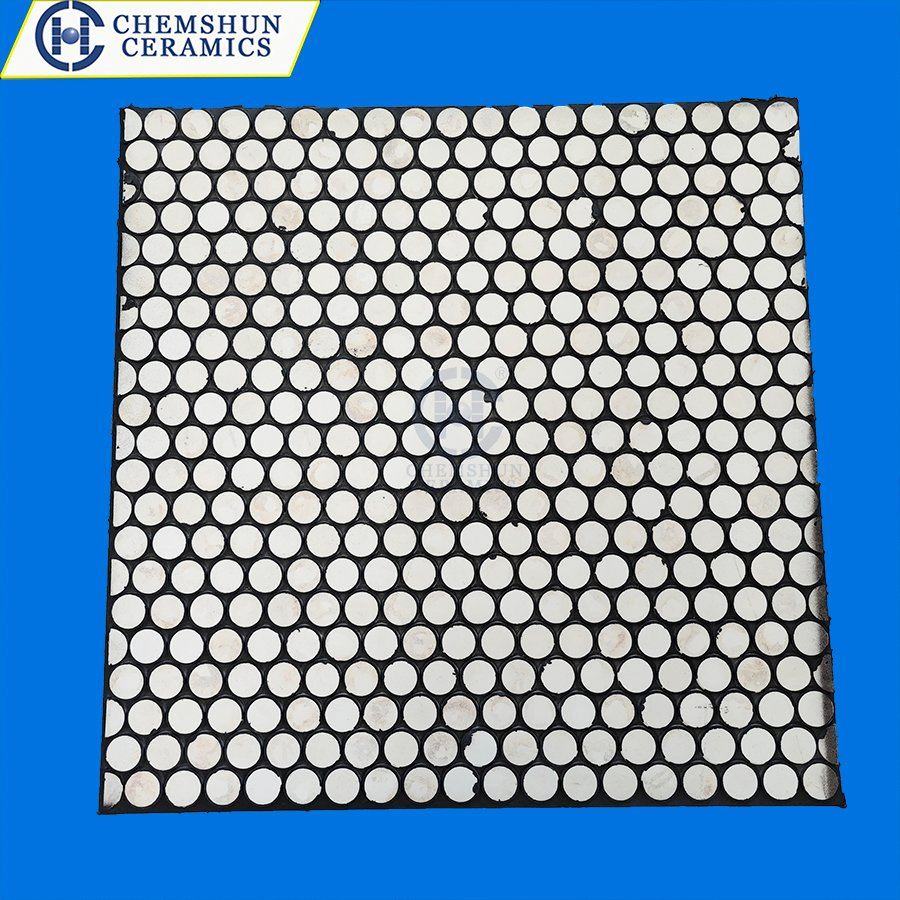
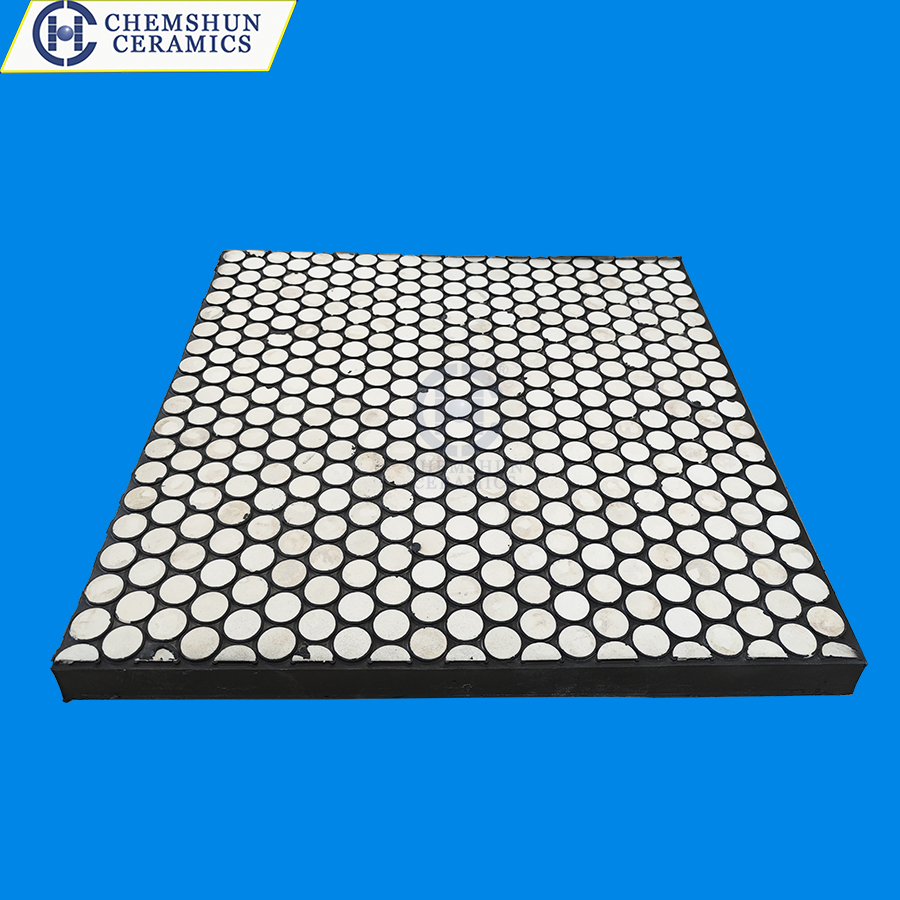
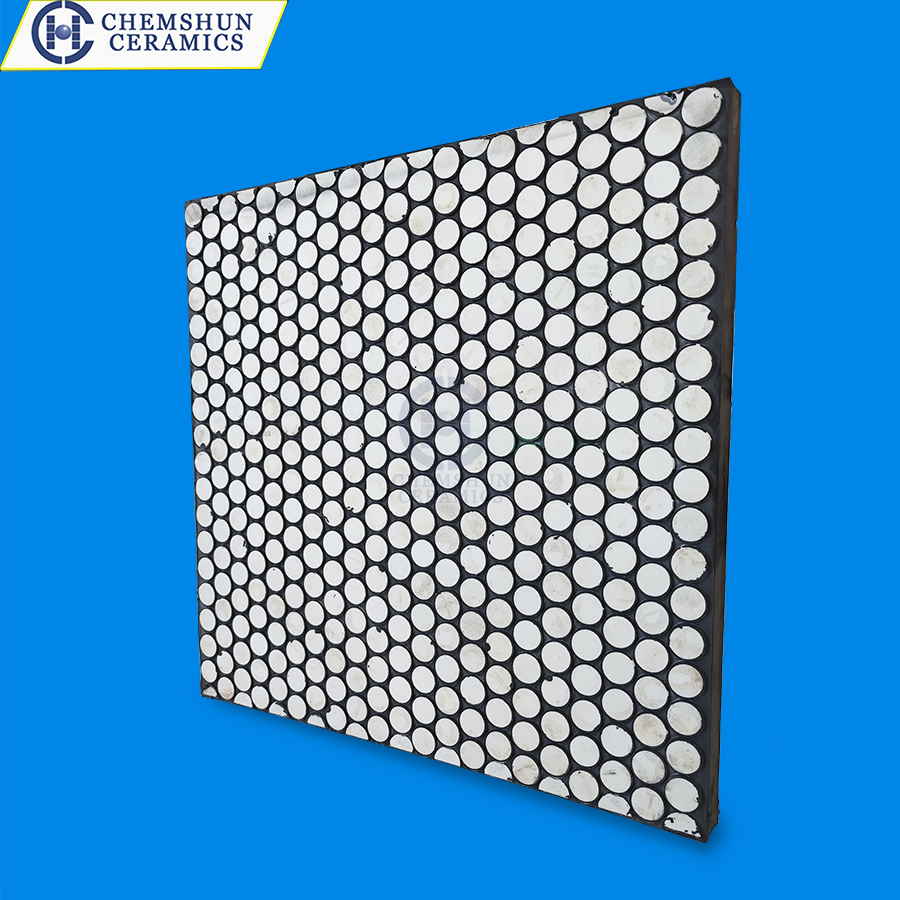
Rubber Ceramic Tile Liner
Compressive Strength
850~1000MPa
Applied Equipment
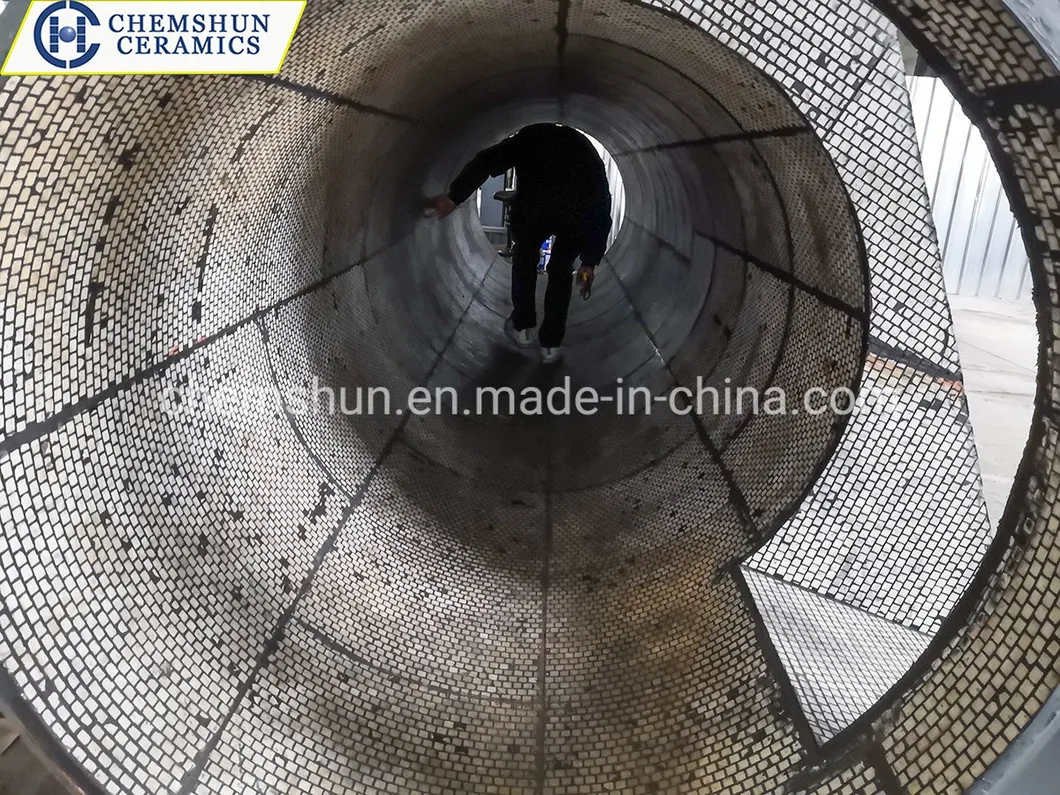
Chute, Hopper, Silo, Bunker, Funnel
Application Industry
Cement, Coal, Mining, Steel, Thermal Power
Specification
100*100MM, 300*300MM, 500*500 MM
Product Overview
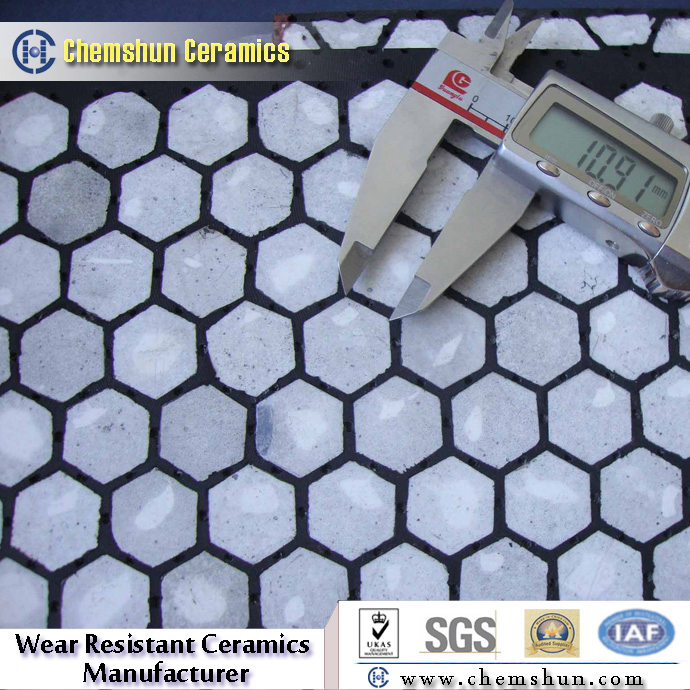
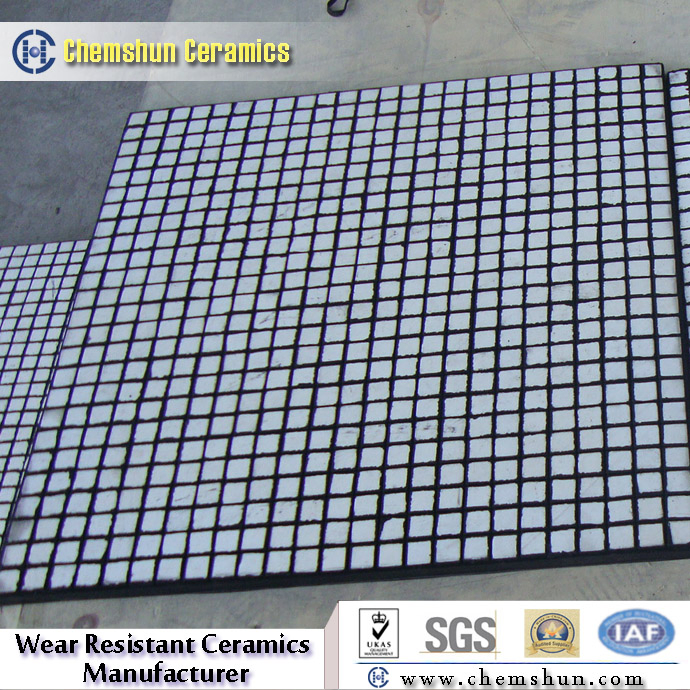
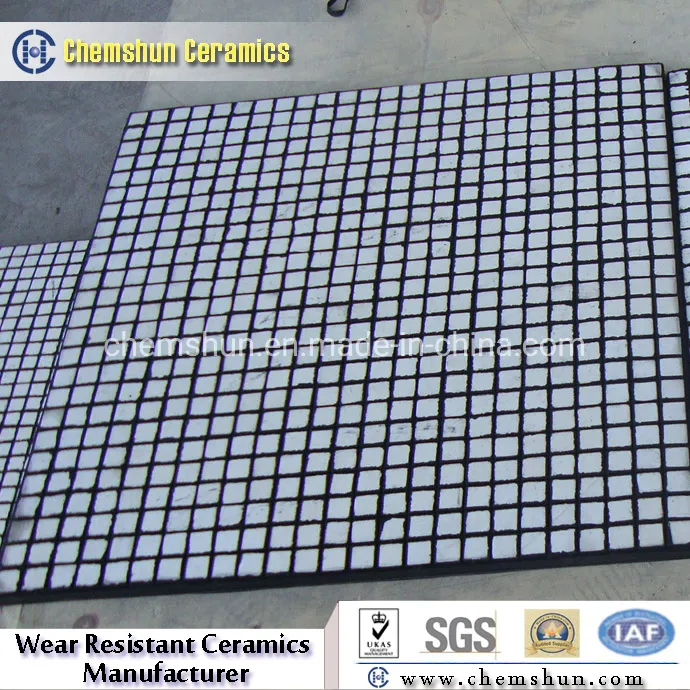
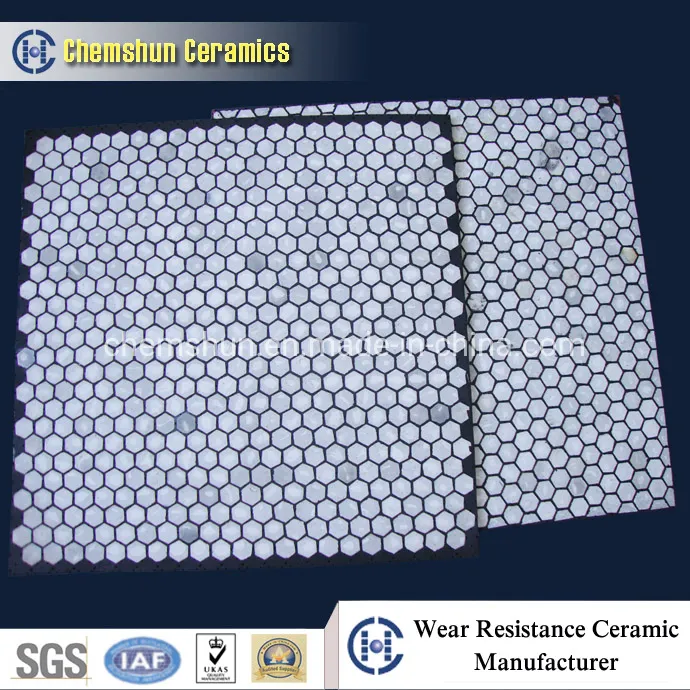
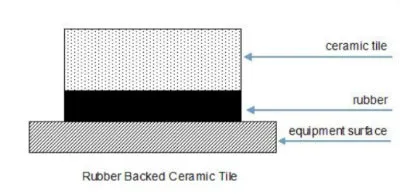
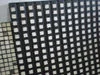
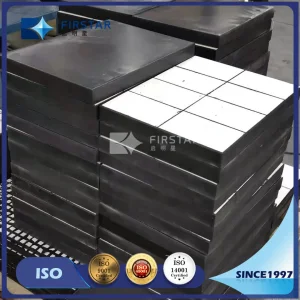
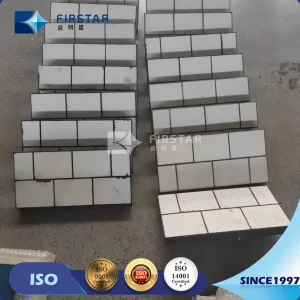
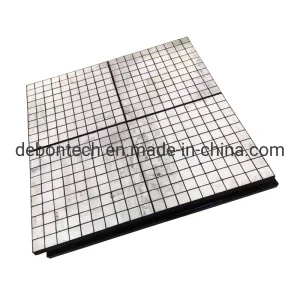
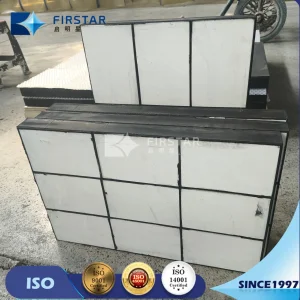
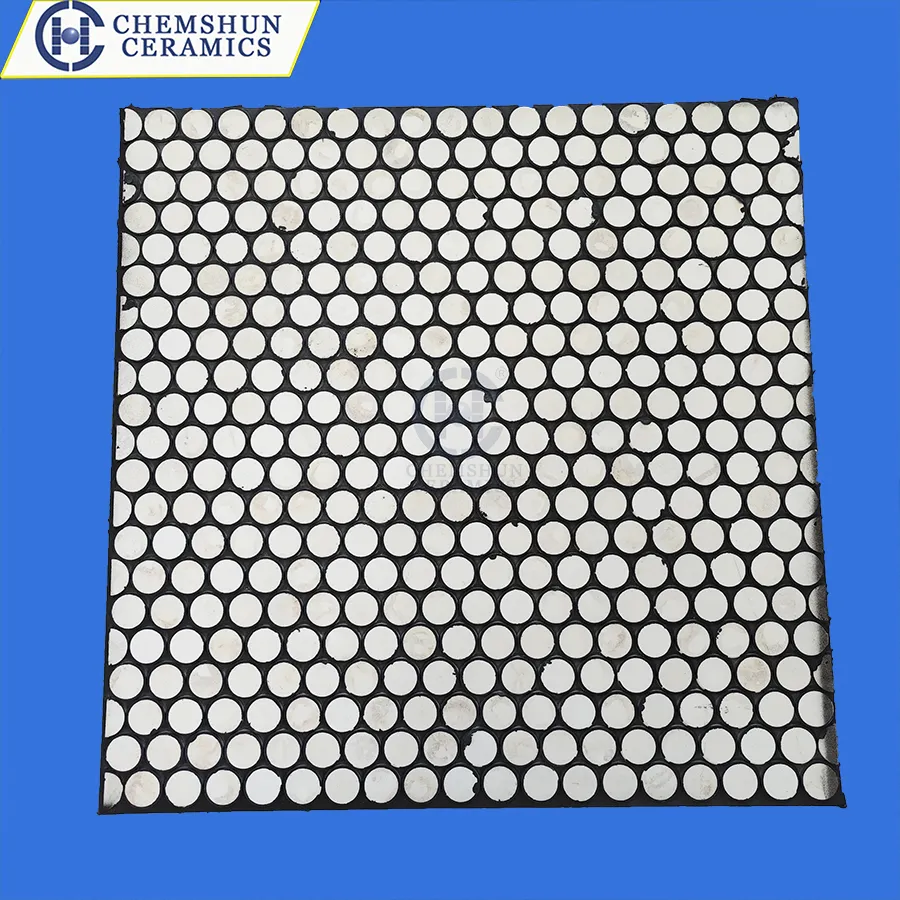
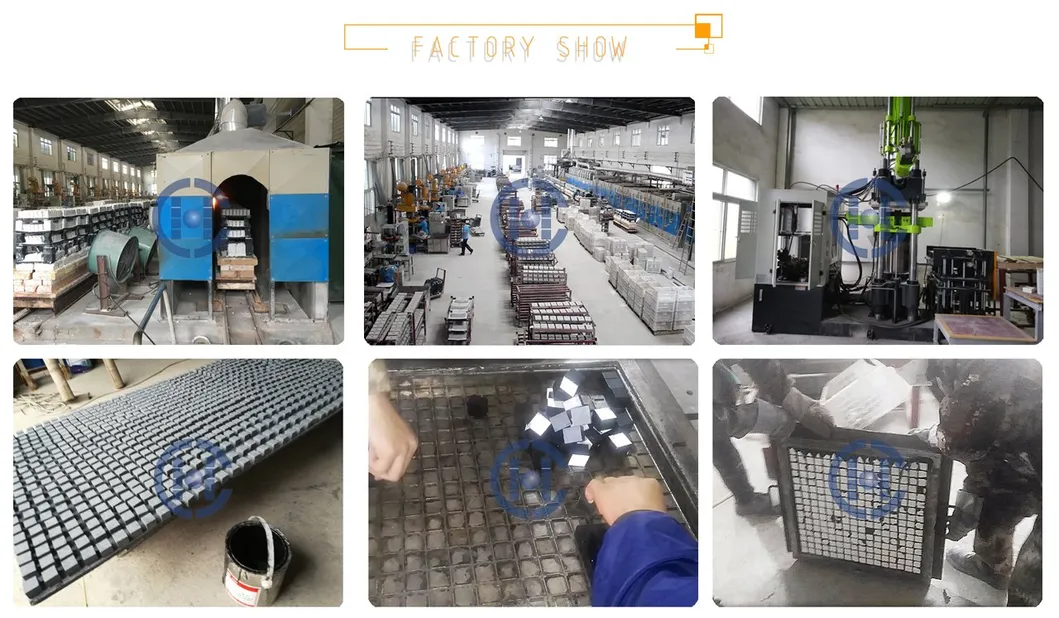
Wear Resistant Alumina Rubber Ceramic Plate is an impact-resistant solution for bulk material handling equipment in the coal and mining industries. This panel is created by vulcanizing abrasion-resistant alumina ceramics (available in cylinders, hexagons, or plates) into a resilient rubber base, often with steel backings.
The alumina ceramic provides exceptional resistance to wear, while the elastic properties of the rubber effectively dampen impact forces that could otherwise crack the ceramics. This combination substantially reduces vibrations, noise, and impact shock from heavy materials.
Key Characters
- High hardness for extreme durability
- Superior abrasion and impact resistance
- Corrosion and chemical resistance
- Lightweight design for easy handling
- Easy installation via epoxy resin or bolt systems
- Improved working environment (reduced noise and vibration)
Application & Installation
Technical Properties
| Property |
Value |
| Normal Size | 500*500mm, 300*300mm, 250*250mm |
| Ceramic Thickness | 15~50mm |
| Rubber Thickness | 3mm~10mm |
| Type of Rubber | Vulcanized natural rubber compound |
| Rubber Shore A Hardness | 45 (+/-5) |
| Tensile Strength | 2710 psi |
| Elongation | 600% |
| Alumina Content | Al2O3 92% / 95% |
Packaging & Global Export
All products are packed using fumigation-free wooden pallets to ensure safe transit to international destinations including Australia, Chile, USA, Russia, and more.
Frequently Asked Questions
What is the main benefit of combining rubber with ceramic?
The ceramic provides extreme wear resistance, while the rubber absorbs impact energy, preventing the ceramic from cracking and reducing system noise.
Can the size of the ceramic liners be customized?
Yes, customized sizes and thicknesses are available according to specific customer requirements and equipment dimensions.
How are these liners installed?
They can be easily installed using epoxy resin bonding or mechanical bolt fastening, depending on the application environment.
Which industries typically use these rubber ceramic plates?
They are widely used in mining, cement, coal handling, steel production, power plants, and port industries.
What types of ceramic shapes are available in the rubber base?
We offer square mosaic tiles, rectangular tiles, plain tiles, hexagonal tiles, and cylindrical ceramic shapes.