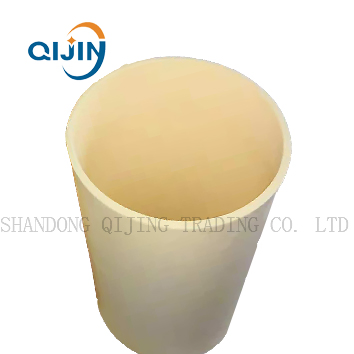
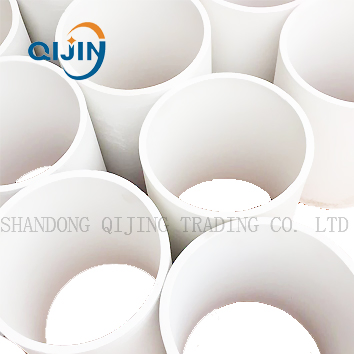
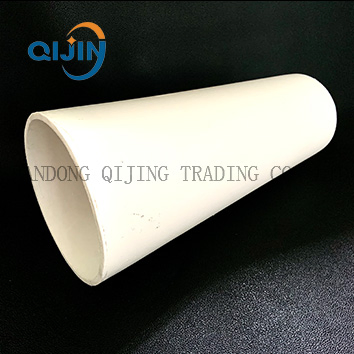
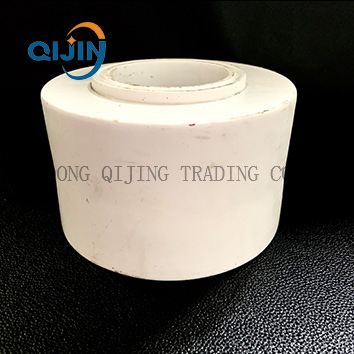
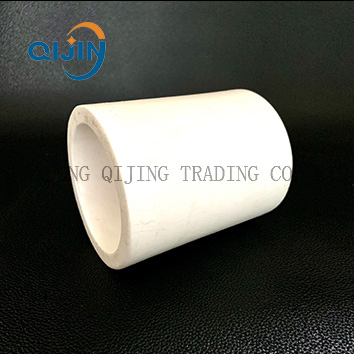
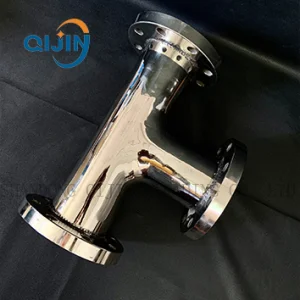
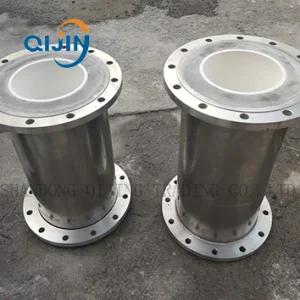
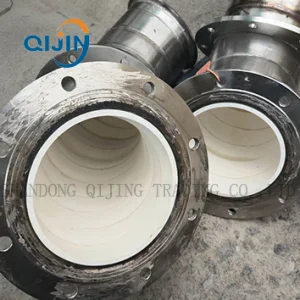
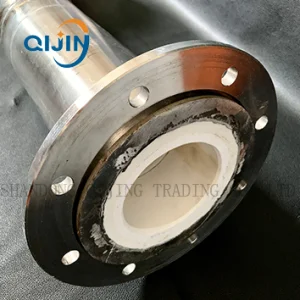
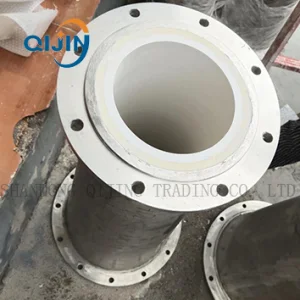
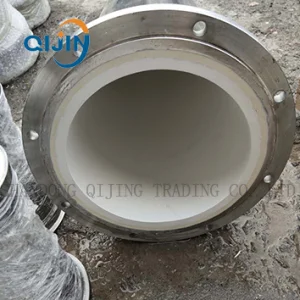
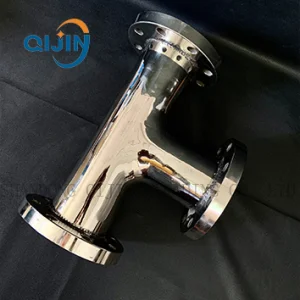
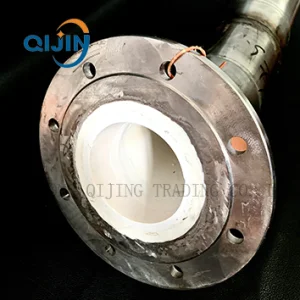
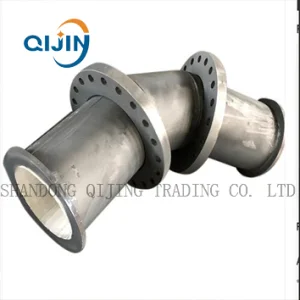
Industrial ceramics are widely used in power, coal, metallurgy, chemical industry and other industries as an abrasive material and corrosive medium. These ceramics provide an ideal wear-resistant and corrosion-resistant pipeline solution, used to transport sand, coal, ash and aluminum liquid, and are suitable for different high-temperature pipeline inner diameters.
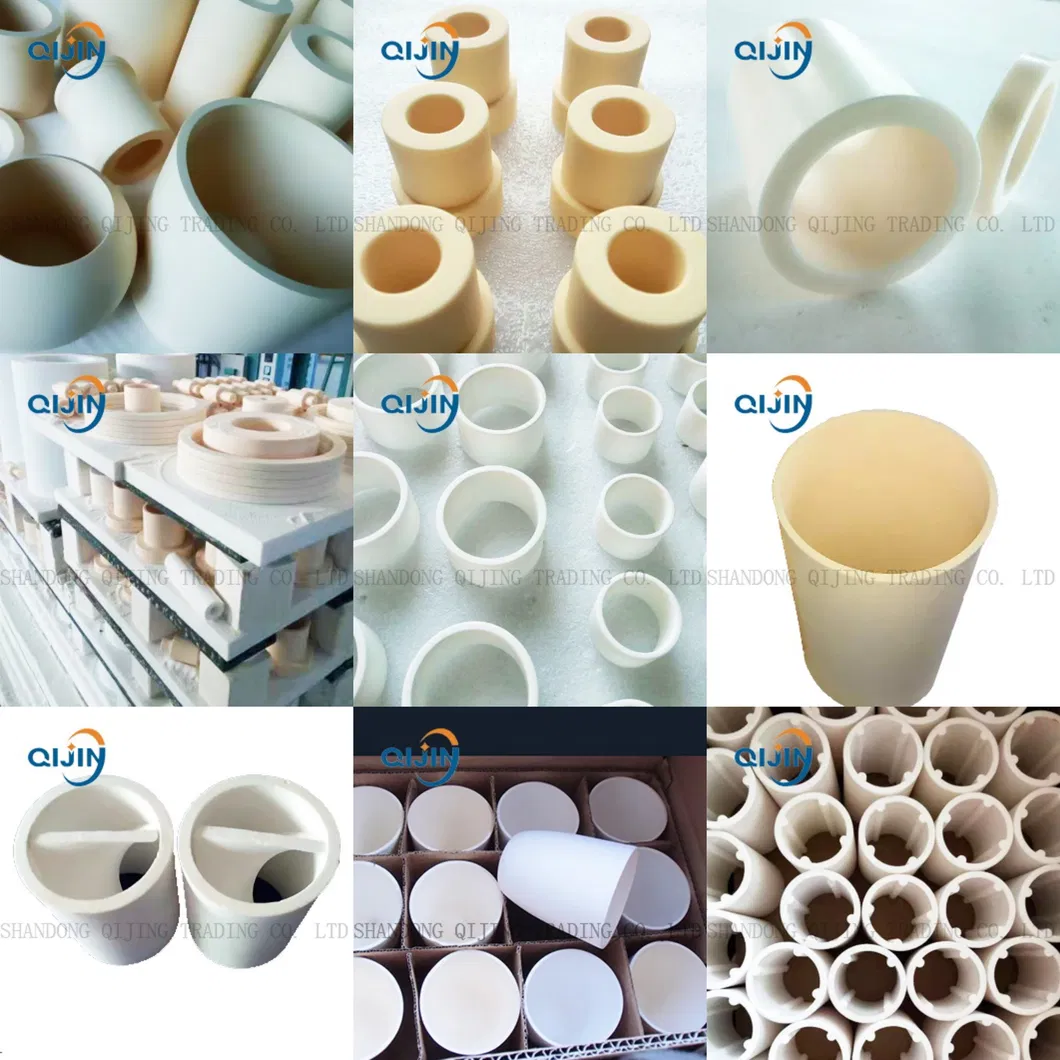
Ceramic Pipes Series Includes:
- Alumina ceramic straight pipe
- Ceramic pipe cone
- Ceramic bend elbow pipe liner
- Ceramic Y-shape and T-shape pipes
- Ceramic curved and arc pipe tile liner
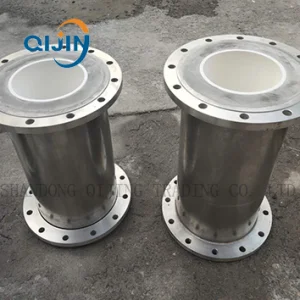
- Ceramic lined steel pipeline
- Custom ceramic pipe designs
Key Advantages:
- High hardness: Exceptional resistance to surface penetration.
- Superior abrasion: Long-lasting performance in high-friction environments.
- Chemical resistance: Withstands corrosion and aggressive chemicals.
- Light weight: Easier handling and installation compared to pure metal.
- Low maintenance cost: High durability reduces frequency of replacement.
- Good fluidity: Smooth surface prevents material blocking.
Pipe Sizes Reference:
| Product | ID(mm) | OD(mm) | Thickness(mm) | Length(mm) | R(mm) | Degree |
| Straight Tube | 76 | 106 | 15 | 150-250 | / | / |
| Straight Tube | 100 | 140 | 20 | 305 | / | / |
| Straight Tube | 150 | 185 | 17.5 | 150-250 | / | / |
| Straight Tube | 152 | 182 | 15 | 150-250 | / | / |
| Straight Tube | 200 | 240 | 20 | 305 | / | / |
| Bend | 76 | 106 | 15 | / | 400 | 7.5 |
| Bend | 101 | 131 | 15 | / | 500 | 5 |
| Bend | 150 | 185 | 17.5 | / | 1500 | 3 |
| Bend | 151 | 181 | 15 | / | 750 | 7.5 |
| Size Range: 10 ~ 500 mm |
Industrial Applications:
- Mining industry
- Cement industry
- Coal handling
- Steel industry
- Port industry
- Power plant
Performance Index:
| Performance Index | 92 Series | 95 Series |
| Al2O3 (%) | ≥ 92 | ≥ 95 |
| Moh's Hardness | 9 | 9 |
| Water Absorption Rate(%) | < 0.01 | < 0.01 |
| Flexural strength, 20C, Mpa | 275 | 290 |
| Bending strength(Mpa) | 255 | 275 |
| Bulk density(g/cm³) | ≥ 3.60 | ≥ 3.65 |
Points to note for transport and installation
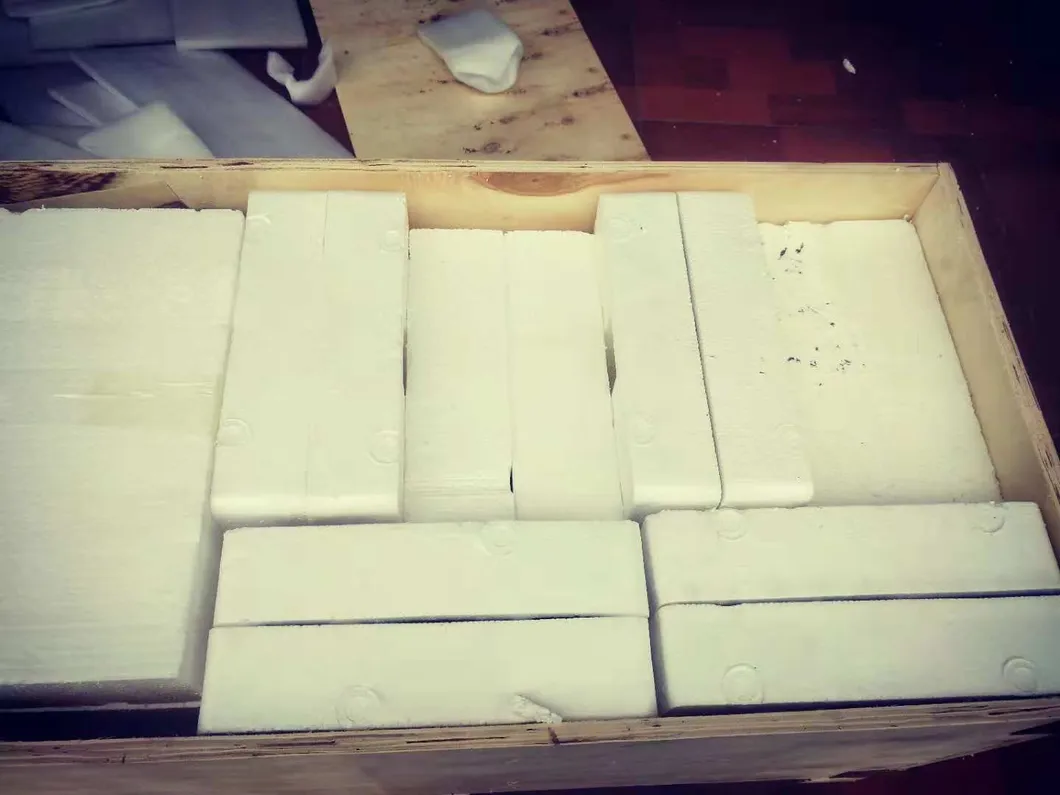
1. Ceramic composite pipes have high hardness; handle gently during transportation to avoid serious collision or impact on the ceramic layer.
2. Bending pipes must be installed with directivity. Follow the arrow on the surface to match the medium flow direction.
3. Align pipes with the center line and adjust level carefully. Control displacement of ends within 1.0mm.
4. For flexible pipe joints, adjust inserted lengths symmetrically. Note that the thermal expansion coefficient is about 1/3 of steel.
5. If using flange connection, ensures the flange end is flush with the composite pipe end.
6. Welding is possible: use 45°-60° "V" type slope Angle (2-4mm) with a 0.8-1.2mm gap.
Frequently Asked Questions
Q: Are you a trading company or manufacturer?
A: We are a professional factory focusing on industrial ceramics production.
Q: How long is your delivery time?
A: Generally it is 15 days if the mould sizes are in stock. If not in stock, it usually takes around 25 days depending on the quantity.
Q: Do you provide samples? Is it free?
A: Yes, we offer stock samples for free, though customers are responsible for the freight costs.
Q: What are your terms of payment?
A: For new customers, 100% T/T in advance. For regular customers, 30% T/T in advance and the balance after receiving the B/L copy.
Q: What industries typically use these ceramic pipes?
A: These products are widely used in mining, cement, coal handling, steel production, ports, and power plants.
Q: What are the main physical advantages of these ceramic liners?
A: They offer extreme Moh's hardness of 9, superior abrasion resistance, high fluidity due to smooth surfaces, and excellent chemical resistance.
 Xingli Industrial Ceramics